Kategori
produk baru
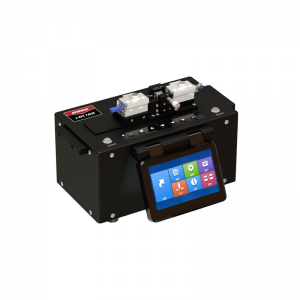
LDC-100 बड़े व्यास ऑप्टिकल फाइबर क्लीवर * क्लैडिंग व्यास 80μm ~ 600μm फाइबर के लिए लागू *वैक्यूम पंप वी-नाली फाइबर डालने के लिए सुविधाजनक है *डी टिकाऊ ब्लेड, जीवनकाल 20000 से अधिक बार *डेटा भंडारण 4000 समूह * उपयोगकर्ता के अनुकूल जीयूआई मेनू, संचालित करने में आसान lebih
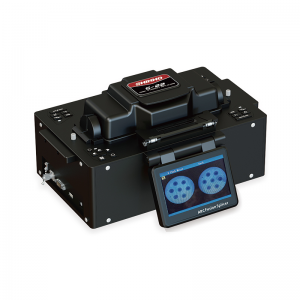
S-22 Multi-Core Fiber Fusion Splicer Splicer F fusi Serat M ulti - inti Otomatis Sepenuhnya Pertama di Cina _ lebih
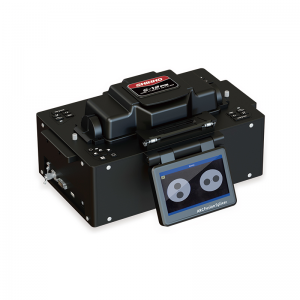
Polarisasi Mempertahankan (PM) Serat Fusion Splicer S-12 * Inti inti keselarasan, rendah splicing loss * Endview dan Profil observasi dan keselarasan * Busur kalibrasi otomatis dan penyambungan * PM serat 45 dan 90 derajat alignment lebih
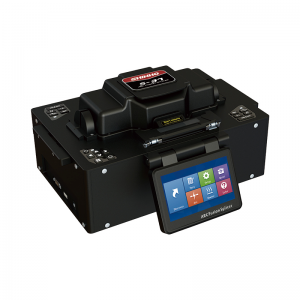
S-37 LDF Speialty Fiber Fusion Splicer SHINHO S-37 adalah model terbaru yang kami kembangkan, dapat menyambungkan diameter kelongsong serat dari 125 hingga 400μm dengan kehilangan sambungan yang rendah. Kami melengkapi mesin dengan 3 pemegang serat yang berbeda, dan 2 pasang elektroda cadangan. lebih
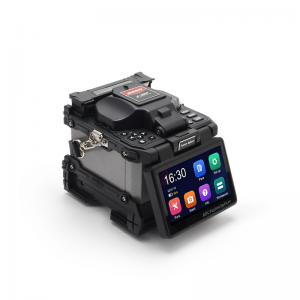
inti ke inti penyelarasan serat fusion splicer x900 enam motor fusion splicer, inti nyata ke teknologi penyelarasan inti. Splicing 6s, pemanas 16 detik, mengidentifikasi jenis serat secara otomatis. digunakan untuk proyek telekomunikasi / telekomunikasi. lebih
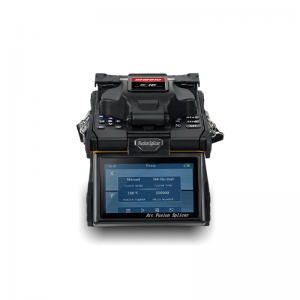
kuat multi fungsi arc fusion splicer s16 desain industri yang kuat, anti guncangan, anti debu dan tahan air. dudukan multi fungsi untuk serat telanjang, kabel patch, kabel drop dll. penyambungan dan pemanasan cepat, kalibrasi busur otomatis. lebih
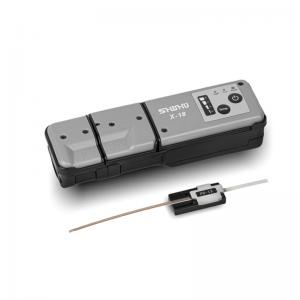
SHINHO X-18 रिबन फाइबर थर्मल स्ट्रिपर शिन्हो X-18 थर्मल स्ट्रिपर एक नव विकसित हाथ से आयोजित थर्मल स्ट्रिपर है, जिसे विशेष रूप से 12 फाइबर तक रिबन केबल के जैकेट के गैर-विनाशकारी थर्मल स्ट्रिपिंग के लिए डिज़ाइन किया गया है। रिबन फाइबर स्प्लिसिंग कार्य के लिए एक अच्छा और विश्वसनीय उपकरण। lebih
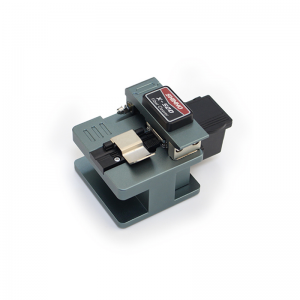
Fiber Optic Cleaver X-50D Presisi Tinggi Ukuran kecil & ringan, mudah dioperasikan. Presisi tinggi dan kinerja yang stabil. Lebih dari 48.000 waktu masa pakai blade, panjang serat yang dibelah 5~20mm. Bahan berkualitas tinggi lebih
Serat Berongga dalam Sistem Laser: Sebuah Pilihan Baru di Luar Serat Konvensional
Seiring sistem laser terus berupaya mencapai daya yang lebih tinggi, lebar garis yang lebih sempit, dan durasi pulsa yang lebih pendek, serat optik inti padat tradisional secara bertahap mendekati batas fisiknya. Efek nonlinier seperti SBS, SRS, dan modulasi fase diri semakin membatasi peningkatan kinerja lebih lanjut. Dalam konteks ini, Serat Berongga (HCF) telah muncul sebagai pilihan yang menjanjikan dan strategis untuk arsitektur laser generasi berikutnya.
Berbeda dengan serat optik konvensional di mana cahaya merambat melalui silika, HCF (High-Campuran Fiber) sebagian besar memandu cahaya di udara. Perbedaan mendasar ini menyebabkan penurunan nonlinier optik yang drastis dan kemampuan penanganan daya puncak yang lebih tinggi. , sehingga menjadikan HCF sangat menarik untuk laser pulsa ultra-pendek (ps/fs), sistem dengan lebar garis sempit, penggabungan berkas koheren, dan aplikasi ilmiah atau pertahanan tingkat lanjut.
Namun, mengadopsi HCF bukan sekadar mengganti satu serat dengan serat lainnya. Dari perspektif manufaktur dan integrasi, penyambungan serat , pembelahan, dan kualitas permukaan akhir menjadi faktor-faktor penting di tingkat sistem. alih-alih proses rutin.
Pada sistem laser pulsa ultra-pendek, daya puncak dapat beberapa orde magnitudo lebih tinggi daripada daya rata-rata. Setiap ketidaksempurnaan—retakan mikro, kontaminasi, ketidaksesuaian mode, atau keruntuhan struktural pada titik sambungan—dapat menjadi pemicu kegagalan langsung. Demikian pula, kualitas pemotongan yang buruk atau cacat sub-mikron pada permukaan ujung serat dapat menyebabkan peningkatan medan lokal, kerusakan udara, atau kerusakan katastropik selama pengoperasian.
Di sinilah tempatnya peralatan pemrosesan serat khusus memainkan peran yang menentukan.
Alat penyambung serat optik canggih yang dirancang untuk serat khusus, bersama dengan alat pemotong presisi tinggi yang dioptimalkan untuk medan mode besar dan serat mikro-terstruktur, sangat penting untuk memastikan:
Transisi medan mode yang stabil
Distorsi struktural minimal
Tingkat pengulangan yang tinggi dan keandalan jangka panjang.
Seiring HCF beralih dari demonstrasi laboratorium ke produk laser nyata, Kendala utamanya bukan lagi hanya pada desain serat, tetapi juga seberapa baik serat tersebut dapat diproses, diintegrasikan, dan dipelihara. .
Ke depannya, serat berongga (hollow-core fiber) sepertinya tidak akan menggantikan serat konvensional dalam sistem laser CW industri arus utama dalam waktu dekat. Sebaliknya, masa depannya terletak pada... aplikasi laser kelas atas yang berorientasi pada kinerja , di mana upaya mendorong batas fisik membenarkan kompleksitas dan biaya yang lebih tinggi. Dalam sistem ini, penyambungan dan pemisahan yang andal bukanlah pilihan—melainkan fondasi dari stabilitas sistem.
Bagi produsen dan penyedia layanan laser, berinvestasi dalam solusi pemrosesan serat yang tepat saat ini berarti bersiap menghadapi teknologi laser di masa depan.

selamat mendaftar buletin jika Anda memiliki minat pada produk kami, kami akan terus memberi Anda informasi tentang berita, informasi produk, dan promosi kami jika ada.
© hak cipta: SHINHO OPTICS LIMITED Seluruh hak cipta.


 Indonesia
 English
 français
 русский
 italiano
 español
 português
 العربية
 ไทย
ไทย हिन्दी
 中文
中文