Kategori
produk baru
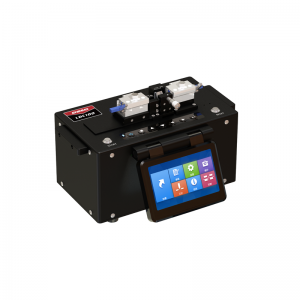
LDC-100 बड़े व्यास ऑप्टिकल फाइबर क्लीवर * क्लैडिंग व्यास 80μm ~ 600μm फाइबर के लिए लागू *वैक्यूम पंप वी-नाली फाइबर डालने के लिए सुविधाजनक है *डी टिकाऊ ब्लेड, जीवनकाल 20000 से अधिक बार *डेटा भंडारण 4000 समूह * उपयोगकर्ता के अनुकूल जीयूआई मेनू, संचालित करने में आसान lebih
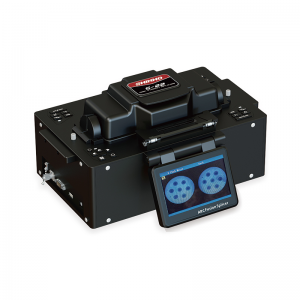
S-22 Multi-Core Fiber Fusion Splicer Splicer F fusi Serat M ulti - inti Otomatis Sepenuhnya Pertama di Cina _ lebih
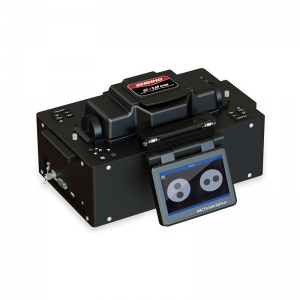
Polarisasi Mempertahankan (PM) Serat Fusion Splicer S-12 * Inti inti keselarasan, rendah splicing loss * Endview dan Profil observasi dan keselarasan * Busur kalibrasi otomatis dan penyambungan * PM serat 45 dan 90 derajat alignment lebih
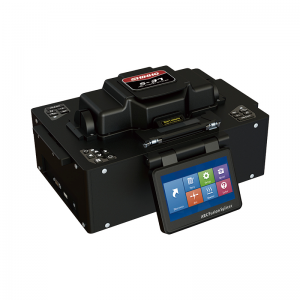
S-37 LDF Speialty Fiber Fusion Splicer SHINHO S-37 adalah model terbaru yang kami kembangkan, dapat menyambungkan diameter kelongsong serat dari 125 hingga 400μm dengan kehilangan sambungan yang rendah. Kami melengkapi mesin dengan 3 pemegang serat yang berbeda, dan 2 pasang elektroda cadangan. lebih
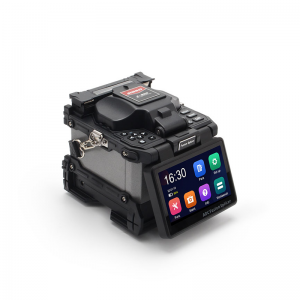
inti ke inti penyelarasan serat fusion splicer x900 enam motor fusion splicer, inti nyata ke teknologi penyelarasan inti. Splicing 6s, pemanas 16 detik, mengidentifikasi jenis serat secara otomatis. digunakan untuk proyek telekomunikasi / telekomunikasi. lebih
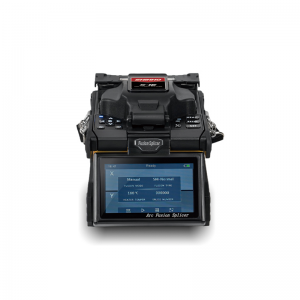
kuat multi fungsi arc fusion splicer s16 desain industri yang kuat, anti guncangan, anti debu dan tahan air. dudukan multi fungsi untuk serat telanjang, kabel patch, kabel drop dll. penyambungan dan pemanasan cepat, kalibrasi busur otomatis. lebih
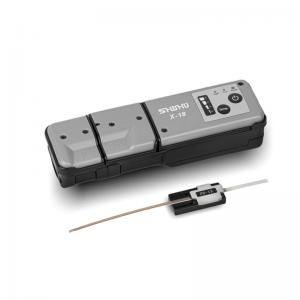
SHINHO X-18 रिबन फाइबर थर्मल स्ट्रिपर शिन्हो X-18 थर्मल स्ट्रिपर एक नव विकसित हाथ से आयोजित थर्मल स्ट्रिपर है, जिसे विशेष रूप से 12 फाइबर तक रिबन केबल के जैकेट के गैर-विनाशकारी थर्मल स्ट्रिपिंग के लिए डिज़ाइन किया गया है। रिबन फाइबर स्प्लिसिंग कार्य के लिए एक अच्छा और विश्वसनीय उपकरण। lebih
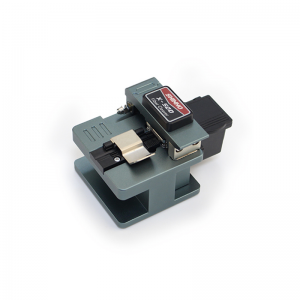
Fiber Optic Cleaver X-50D Presisi Tinggi Ukuran kecil & ringan, mudah dioperasikan. Presisi tinggi dan kinerja yang stabil. Lebih dari 48.000 waktu masa pakai blade, panjang serat yang dibelah 5~20mm. Bahan berkualitas tinggi lebih
Multi-Core Fiber and the Future of High-Capacity Connectivity
The rapid development of artificial intelligence is transforming the optical communication industry. As AI models become larger and computing clusters expand, data centers require higher bandwidth, lower latency, and more efficient data transmission. Optical connectivity is therefore becoming increasingly important, not only for telecommunications networks but also for connections within and between AI data centers.
Traditional optical fibers generally transmit signals through a single core. Multi-core fiber integrates multiple independent cores within one fiber, offering a potential way to significantly increase transmission capacity without proportionally increasing cable size.
The release of a new international standard for weakly coupled single-mode multi-core fiber in October 2026 represents an important step toward wider industrial adoption. Standardization can help improve compatibility, establish common technical requirements, and facilitate cooperation across the industry. However, large-scale deployment will still depend on engineering validation, cost efficiency, and practical application requirements.
As computing power becomes more distributed, optical networks must support increasingly complex connections between servers, computing clusters, and data centers. This is accelerating interest in high-density optical cabling, advanced fiber technologies, and more efficient network architectures.
Alongside multi-core fiber, technologies such as hollow-core fiber and optical-electrical integration are attracting attention as the industry explores new ways to improve transmission performance and network efficiency.
The industry is moving beyond technological breakthroughs toward practical deployment. Common standards, reliable manufacturing processes, compatible equipment, and effective testing methods will all be important to bringing emerging fiber technologies into commercial use.
As AI infrastructure continues to develop, the optical communication industry is likely to see growing demand for higher-capacity connectivity, advanced optical components, and specialized fiber-processing technologies.
The optical communication industry is entering a new phase of development, driven increasingly by AI computing and data center infrastructure. Multi-core fiber illustrates how the industry is exploring new approaches to expanding transmission capacity, while standardization is helping lay the groundwork for future commercialization. As these trends evolve, technological innovation, system compatibility, and deployment efficiency will remain central to the industry's long-term growth.

selamat mendaftar buletin jika Anda memiliki minat pada produk kami, kami akan terus memberi Anda informasi tentang berita, informasi produk, dan promosi kami jika ada.
© hak cipta: SHINHO OPTICS LIMITED Seluruh hak cipta.


 Indonesia
 English
 français
 русский
 italiano
 español
 português
 العربية
 ไทย
 हिन्दी
 中文