Kategori
produk baru
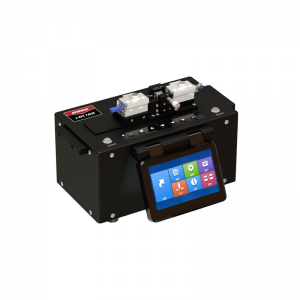
LDC-100 बड़े व्यास ऑप्टिकल फाइबर क्लीवर * क्लैडिंग व्यास 80μm ~ 600μm फाइबर के लिए लागू *वैक्यूम पंप वी-नाली फाइबर डालने के लिए सुविधाजनक है *डी टिकाऊ ब्लेड, जीवनकाल 20000 से अधिक बार *डेटा भंडारण 4000 समूह * उपयोगकर्ता के अनुकूल जीयूआई मेनू, संचालित करने में आसान lebih
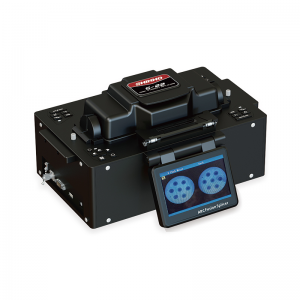
S-22 Multi-Core Fiber Fusion Splicer Splicer F fusi Serat M ulti - inti Otomatis Sepenuhnya Pertama di Cina _ lebih
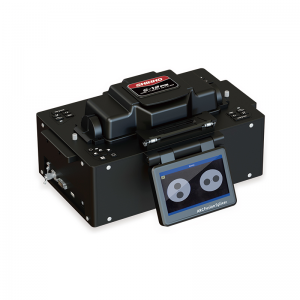
Polarisasi Mempertahankan (PM) Serat Fusion Splicer S-12 * Inti inti keselarasan, rendah splicing loss * Endview dan Profil observasi dan keselarasan * Busur kalibrasi otomatis dan penyambungan * PM serat 45 dan 90 derajat alignment lebih
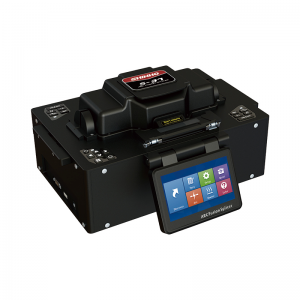
S-37 LDF Speialty Fiber Fusion Splicer SHINHO S-37 adalah model terbaru yang kami kembangkan, dapat menyambungkan diameter kelongsong serat dari 125 hingga 400μm dengan kehilangan sambungan yang rendah. Kami melengkapi mesin dengan 3 pemegang serat yang berbeda, dan 2 pasang elektroda cadangan. lebih
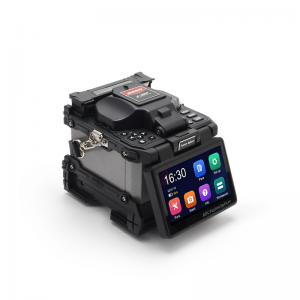
inti ke inti penyelarasan serat fusion splicer x900 enam motor fusion splicer, inti nyata ke teknologi penyelarasan inti. Splicing 6s, pemanas 16 detik, mengidentifikasi jenis serat secara otomatis. digunakan untuk proyek telekomunikasi / telekomunikasi. lebih
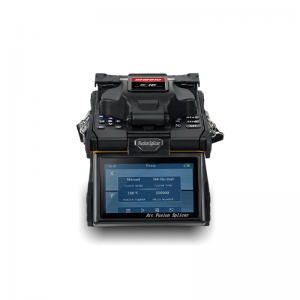
kuat multi fungsi arc fusion splicer s16 desain industri yang kuat, anti guncangan, anti debu dan tahan air. dudukan multi fungsi untuk serat telanjang, kabel patch, kabel drop dll. penyambungan dan pemanasan cepat, kalibrasi busur otomatis. lebih
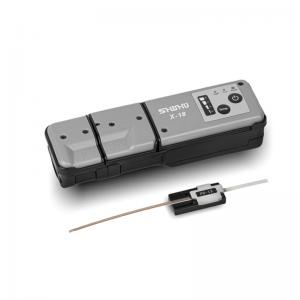
SHINHO X-18 रिबन फाइबर थर्मल स्ट्रिपर शिन्हो X-18 थर्मल स्ट्रिपर एक नव विकसित हाथ से आयोजित थर्मल स्ट्रिपर है, जिसे विशेष रूप से 12 फाइबर तक रिबन केबल के जैकेट के गैर-विनाशकारी थर्मल स्ट्रिपिंग के लिए डिज़ाइन किया गया है। रिबन फाइबर स्प्लिसिंग कार्य के लिए एक अच्छा और विश्वसनीय उपकरण। lebih
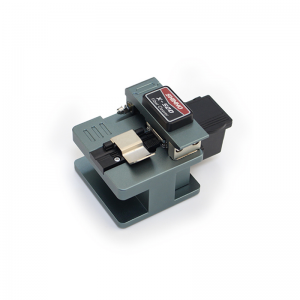
Fiber Optic Cleaver X-50D Presisi Tinggi Ukuran kecil & ringan, mudah dioperasikan. Presisi tinggi dan kinerja yang stabil. Lebih dari 48.000 waktu masa pakai blade, panjang serat yang dibelah 5~20mm. Bahan berkualitas tinggi lebih
Aplikasi dan Masa Depan Serat Optik Berselubung Tipis di Bidang Medis
Dalam beberapa tahun terakhir, serat optik dengan diameter selubung yang lebih kecil—seperti
40 µm, 50 µm, dan 60 µm
—telah menarik perhatian yang semakin besar di sektor teknologi medis. Dibandingkan dengan serat optik konvensional dengan
lapisan 125 µm
Serat-serat yang lebih kecil ini menawarkan fleksibilitas yang lebih besar, invasivitas yang lebih rendah, dan integrasi yang lebih baik ke dalam perangkat medis yang ringkas. Seiring dengan terus berkembangnya pengobatan minimal invasif, serat optik berdiameter kecil menjadi teknologi pendukung yang penting.
Salah satu aplikasi yang paling umum adalah
litotripsi laser dalam urologi
Dalam prosedur yang digunakan untuk mengobati batu ginjal, dokter memasukkan endoskop fleksibel melalui saluran kemih dan mengirimkan energi laser melalui serat optik tipis untuk memecah batu menjadi fragmen kecil. Laser seperti Laser Holmium:YAG dan Laser Serat Thulium mengandalkan serat optik untuk mengirimkan energi secara tepat. Serat yang lebih kecil memungkinkan endoskop untuk mempertahankan fleksibilitas yang lebih baik dan memungkinkan ahli bedah untuk menjangkau batu yang terletak di jalur anatomi yang lebih sempit atau lebih kompleks.
Aplikasi penting lainnya adalah pengobatan penyakit pembuluh darah seperti varises. Teknik minimal invasif yang dikenal sebagai Ablasi Laser Endovenous menggunakan serat optik yang dimasukkan ke dalam pembuluh darah yang terkena. Energi laser memanaskan dinding pembuluh darah, menyebabkan pembuluh darah tersebut menutup dan akhirnya diserap oleh tubuh. Serat optik yang tipis membantu mengurangi trauma selama pemasangan dan memungkinkan dokter untuk menavigasi pembuluh darah kecil dengan lebih mudah.
Serat optik berdiameter kecil juga digunakan dalam prosedur neurologis tingkat lanjut. Dalam teknik seperti Terapi Termal Interstisial Laser, probe laser yang sangat tipis dimasukkan ke dalam jaringan otak untuk menghancurkan tumor atau jaringan abnormal secara tepat. Karena struktur otak sangat halus, serat yang lebih kecil lebih disukai karena meminimalkan kerusakan pada jaringan di sekitarnya sekaligus memberikan pengiriman energi yang akurat.
Dalam bidang onkologi, serat optik memainkan peran kunci dalam pengobatan berbasis cahaya seperti Terapi Fotodinamik. Dalam terapi ini, obat fotosensitif terakumulasi dalam sel kanker dan kemudian diaktifkan oleh cahaya yang dipancarkan melalui serat optik. Reaksi yang dihasilkan menghancurkan sel target sambil melindungi jaringan sehat. Serat optik berukuran kecil memudahkan pengiriman cahaya melalui endoskop ke organ-organ seperti paru-paru, kerongkongan, atau kandung kemih.
Ke depan, permintaan akan serat optik dengan selubung tipis diperkirakan akan tumbuh seiring dengan perkembangan
bedah invasif minimal, sistem bedah robotik, dan instrumen endoskopi canggih
Seiring dengan semakin kecil dan presisinya perangkat medis, kebutuhan akan serat optik fleksibel dan berkinerja tinggi akan meningkat. Meskipun pasar ini lebih kecil daripada industri serat telekomunikasi, pasar ini dicirikan oleh...
persyaratan teknis yang tinggi dan nilai per unit yang kuat
, menjadikannya ceruk penting dalam ekosistem serat optik yang lebih luas.
Singkatnya, serat optik berdiameter kecil memungkinkan kemungkinan baru dalam pengobatan modern—mulai dari pengobatan batu ginjal hingga terapi kanker. Seiring kemajuan teknologi perawatan kesehatan menuju prosedur yang kurang invasif dan lebih presisi, serat khusus ini akan memainkan peran yang semakin penting dalam inovasi medis di masa depan.

selamat mendaftar buletin jika Anda memiliki minat pada produk kami, kami akan terus memberi Anda informasi tentang berita, informasi produk, dan promosi kami jika ada.
© hak cipta: SHINHO OPTICS LIMITED Seluruh hak cipta.


 Indonesia
 English
 français
 русский
 italiano
 español
 português
 العربية
 ไทย
ไทย हिन्दी
 中文
中文